
Navigating New York's Tax Regulations: A Guide for Small Business Owners


Understanding New York's Tax Landscape
For small business owners in New York, understanding the state's tax regulations is crucial for maintaining compliance and financial health. Navigating these rules can be complex, but with the right guidance, you can ensure your business remains on solid footing. Whether you're just starting or looking to streamline your operations, this guide will provide essential insights into New York's tax landscape.

Sales Tax Requirements
New York imposes a sales tax on most goods and some services. As a small business owner, you must collect this tax from customers and remit it to the state. The standard rate is 4%, but local municipalities may add additional taxes, making it important to know the specific rates in your area.
To comply, you'll need to register for a Sales Tax Certificate of Authority. This certificate allows you to collect sales tax and provides guidelines on what transactions are taxable. Keeping detailed records of your sales and tax collections is vital for accurate reporting and avoiding penalties.
Income Tax Considerations
New York's income tax applies to businesses based on their structure. Sole proprietors report business income on their personal tax returns, while partnerships, LLCs, and corporations have different filing requirements. Understanding which forms to use and deadlines to meet is key to staying compliant.

Additionally, New York has a Corporate Franchise Tax for businesses operating as corporations. This tax is based on income, with specific rates and calculations. Staying informed about any changes in these rates is important, as they can impact your business's bottom line.
Payroll Taxes and Employee Withholding
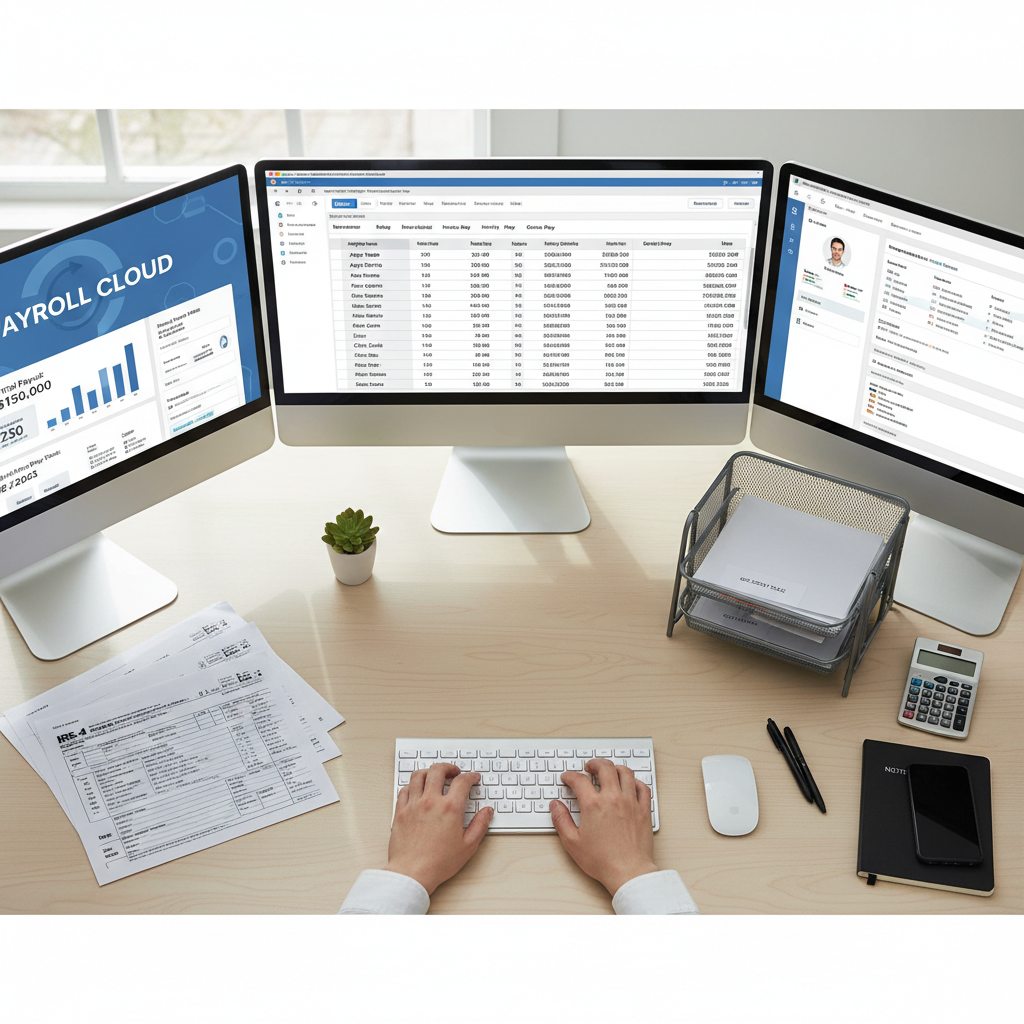
If you have employees, you'll need to manage payroll taxes and withholding. This includes federal and state income tax withholding, as well as unemployment insurance and workers' compensation. New York requires businesses to register for an Employer Identification Number (EIN) and withhold the appropriate taxes from employee wages.
It's essential to file payroll taxes regularly and accurately to avoid fines and interest. Many small businesses choose to use payroll software or services to simplify this process, ensuring compliance with all regulations.
Tax Credits and Incentives
New York offers several tax credits and incentives designed to support small businesses. These can help reduce your overall tax burden and provide financial relief. Some popular programs include the Work Opportunity Tax Credit, the Excelsior Jobs Program, and various energy efficiency incentives.
Researching and applying for these credits can be beneficial, but it's important to meet specific criteria and maintain detailed records to qualify. Consulting with a tax professional can help identify which incentives are most applicable to your business.
Staying Informed and Proactive
Understanding and managing New York's tax regulations is an ongoing process. Laws and rates can change, making it crucial to stay informed and proactive. Regularly reviewing your tax strategy and consulting with experts can ensure your business remains compliant and financially sound.
By taking the time to understand these regulations, small business owners can focus on growth and success, confident in their ability to navigate New York's tax landscape effectively.