
Navigating NY State Tax Laws: What Businesses in Suffolk County Need to Know


Running a business in Suffolk County, New York, comes with its unique set of challenges, especially when it comes to understanding and complying with state tax laws. Navigating these regulations is crucial for maintaining compliance and ensuring your business thrives. Here's what you need to know about NY State tax laws as they apply to Suffolk County businesses.
Understanding Sales Tax Obligations
One of the primary tax responsibilities for businesses in Suffolk County is the collection and remittance of sales tax. New York State imposes a sales tax on the sale of tangible personal property and certain services. As a business owner, it's essential to determine which of your products and services are taxable and to collect the appropriate amount from your customers.

It's important to register for a Certificate of Authority, which allows you to collect sales tax legally. Failure to comply with sales tax regulations can result in significant penalties. Regularly reviewing the state's guidelines and staying informed about changes in tax rates or taxable items is crucial.
Corporate Taxes and Filing Requirements
Businesses operating in Suffolk County may be subject to corporate taxes, depending on their structure. Corporations, including S corporations, are required to file a New York State Corporation Franchise Tax Return. This tax is based on the corporation's income, capital, or a fixed dollar minimum, whichever is higher.
Filing requirements and deadlines vary, so it's essential to keep track of dates and maintain accurate financial records. Consider using accounting software or consulting with a tax professional to ensure compliance and avoid costly mistakes.

Employment Taxes and Withholdings
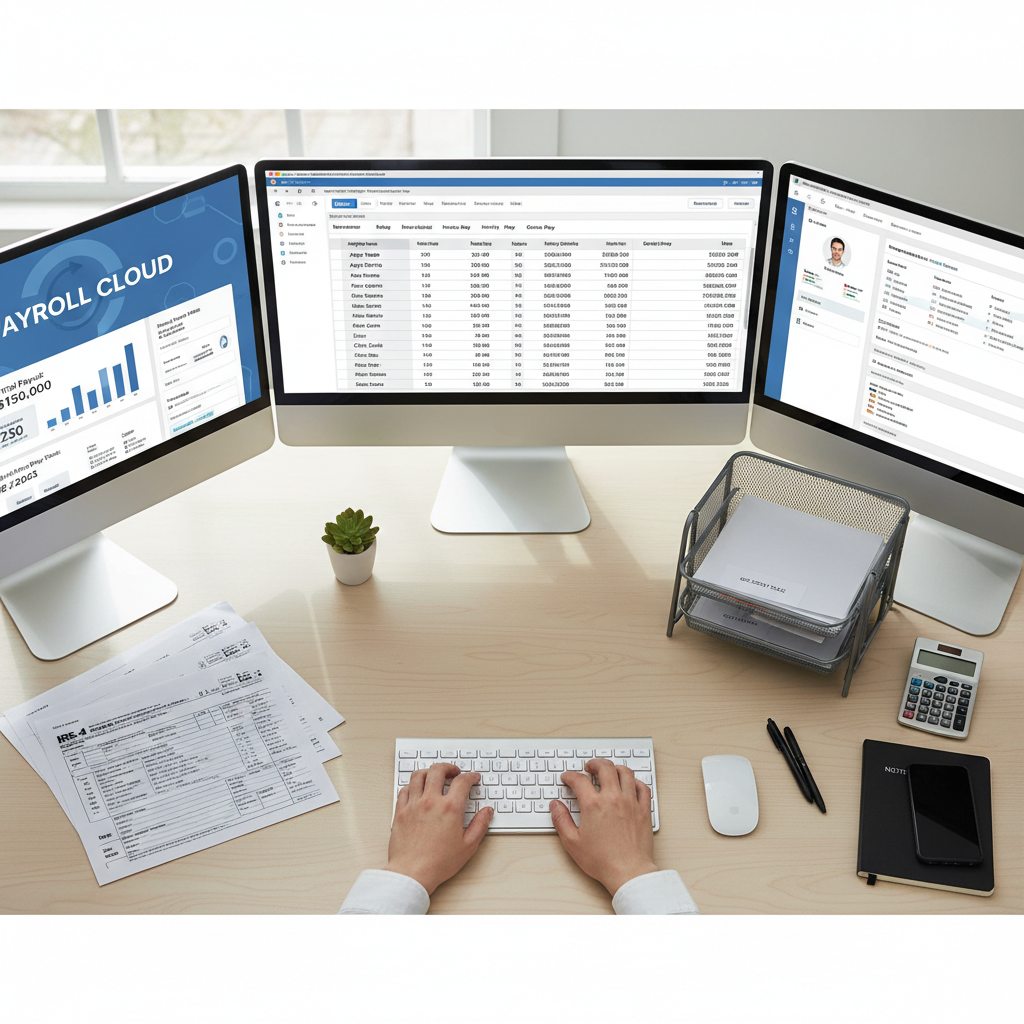
If you have employees, you must comply with New York State's employment tax obligations. This includes withholding state income tax from your employees' wages, as well as paying unemployment insurance and workers' compensation insurance premiums.
Understanding how to calculate and remit these taxes is vital. Regularly updating your payroll systems and consulting with professionals can help manage these responsibilities effectively.
Property Taxes and Assessments
Businesses that own real property in Suffolk County are subject to property taxes, which help fund local services such as schools and public safety. These taxes are based on the assessed value of your property. It's important to review your property tax assessments regularly and understand the appeals process if you believe your property has been overvalued.
Staying informed about local tax rates and any potential changes can help you budget appropriately and avoid unexpected expenses. Engaging with local tax assessors can also provide insights into how assessments are conducted.
Staying Informed and Compliant
Tax laws are subject to change, and staying informed is crucial for compliance. The New York State Department of Taxation and Finance website is a valuable resource for updates and guidance. Additionally, attending local business workshops and networking with other business owners can provide insights and support.
Consider partnering with a tax professional or accountant who specializes in New York State tax law to ensure your business remains compliant and efficient. This proactive approach can help you avoid penalties and focus on growing your business.