Small Business Tax Planning: Essential Tips for Suffolk County Entrepreneurs


Understanding Your Tax Obligations
As a small business owner in Suffolk County, understanding your tax obligations is crucial. Taxes can be complex, but with the right planning, you can ensure compliance and potentially reduce your taxable income. Start by familiarizing yourself with local, state, and federal tax requirements.
Consider consulting with a tax professional who understands the nuances of Suffolk County tax laws. They can provide insights into specific deductions and credits that apply to your business.

Keep Accurate Financial Records
Maintaining accurate financial records is essential for effective tax planning. Good record-keeping helps you track income, expenses, and deductions. Invest in reliable accounting software or hire a bookkeeper to ensure your records are organized and up-to-date.
Proper documentation is crucial during tax season. It can make the filing process smoother and help you avoid potential audits or discrepancies.
Organize Your Expenses
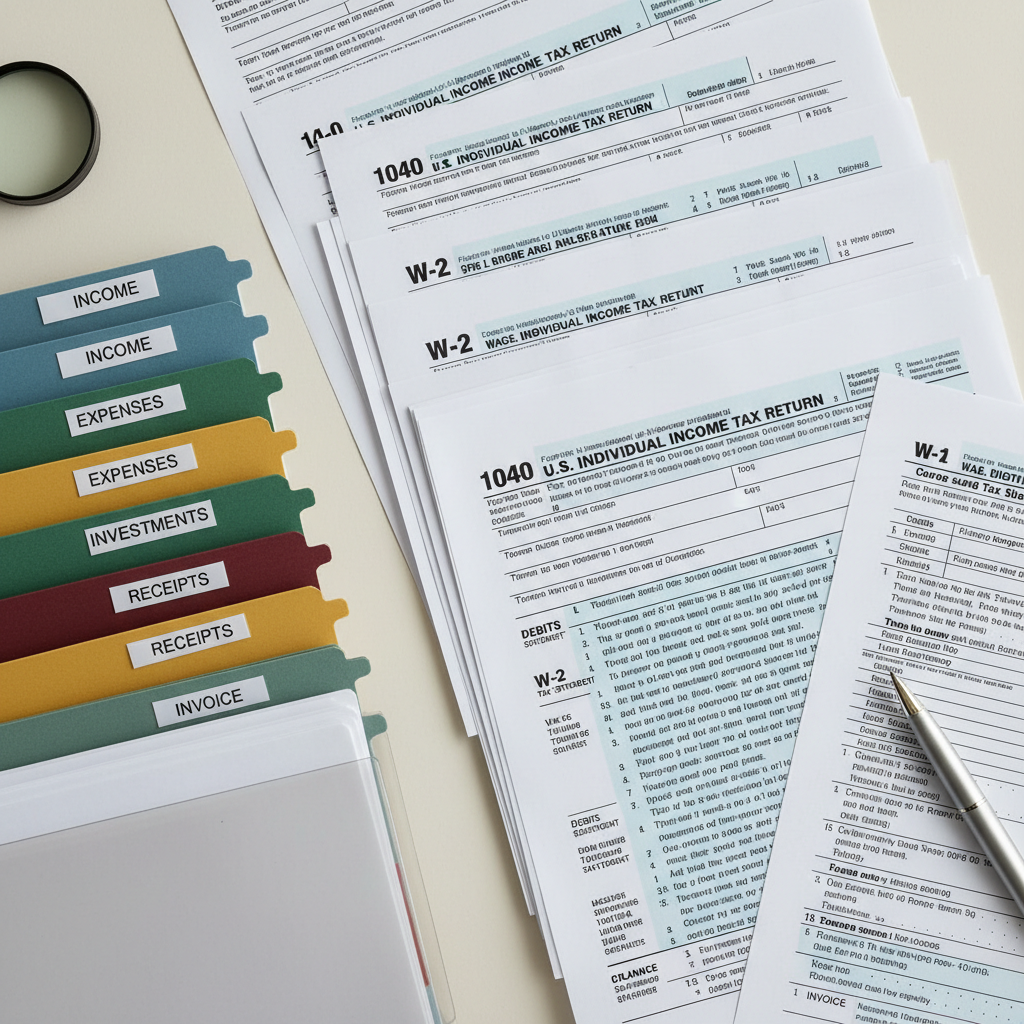
One way to optimize your tax planning is by categorizing your expenses. Common categories include office supplies, travel, and marketing. Keeping these organized can help you identify deductible expenses easily.
Take Advantage of Deductions and Credits
There are numerous deductions and credits available to small businesses. These can significantly reduce your taxable income. Some common deductions include home office expenses, vehicle expenses, and employee benefits.
Research tax credits specific to your industry or locality. Suffolk County may offer incentives that encourage business growth and development.
Consider Retirement Plans
Offering retirement plans like a 401(k) can benefit both you and your employees. Contributions to these plans are often tax-deductible, making them an excellent tool for tax planning.

Plan for Estimated Taxes
As a small business owner, you may need to pay estimated taxes quarterly. Failing to do so can result in penalties. Calculate your estimated taxes based on your expected income, deductions, and credits to avoid surprises.
Using accounting software can simplify this process by allowing you to project your tax obligations throughout the year.
Stay Informed and Seek Professional Advice
Tax laws are constantly changing. Stay informed about any changes that may affect your business. Subscribing to industry newsletters or attending local workshops can keep you updated on the latest tax information.
Finally, don't hesitate to seek professional advice. A tax advisor with experience in Suffolk County can offer tailored strategies to optimize your tax planning efforts.