
The Ultimate Guide to Tax Preparation for Small Businesses in Suffolk County


Understanding Tax Obligations
As a small business owner in Suffolk County, understanding your tax obligations is crucial. The tax landscape can be complex, with varying requirements depending on your business structure. Whether you're a sole proprietor, LLC, or corporation, knowing what taxes you owe and when is essential for compliance and financial health.
It's important to stay informed about local, state, and federal tax regulations. Suffolk County has specific tax guidelines that may differ from other regions. Familiarize yourself with these details to avoid any surprises during tax season.
Organizing Financial Records
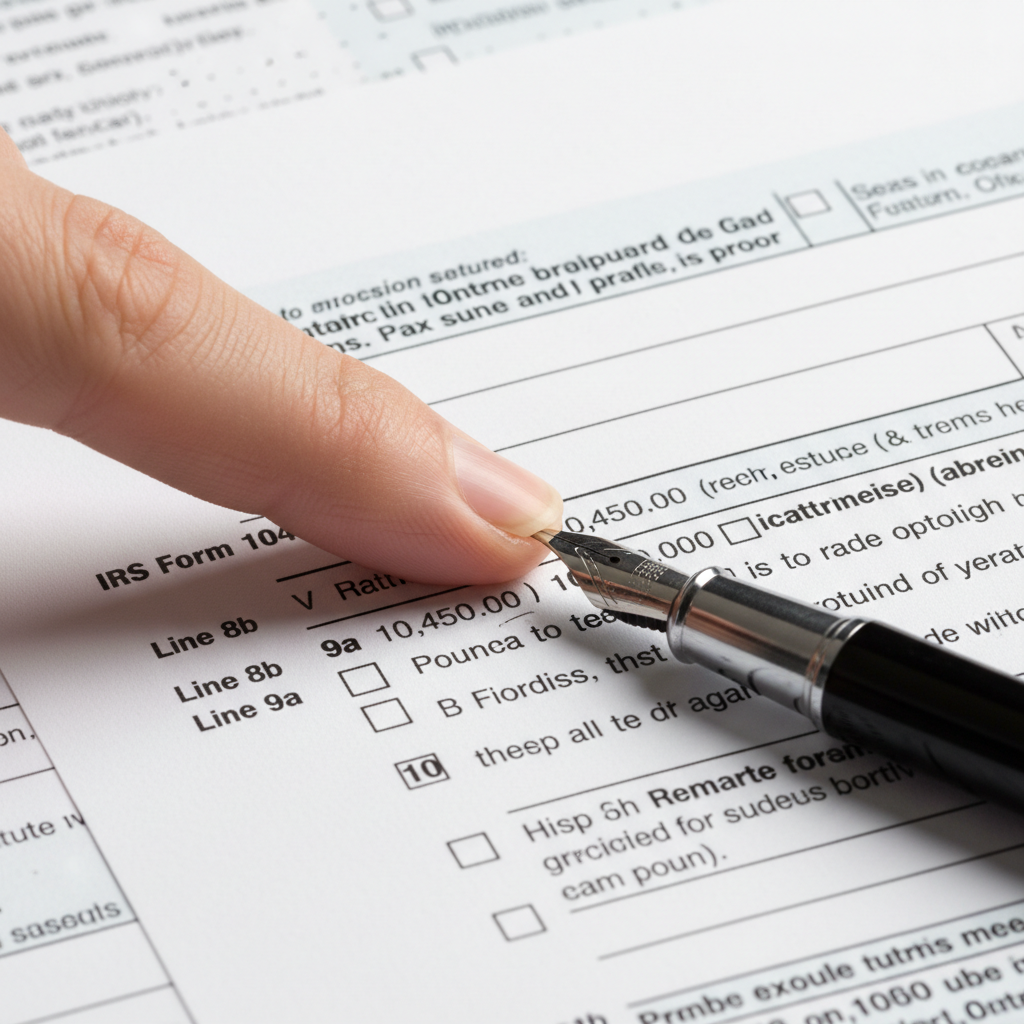
Effective tax preparation starts with organizing your financial records. Keep meticulous records of all income, expenses, and receipts. This practice not only helps in filing taxes accurately but also in identifying potential deductions.
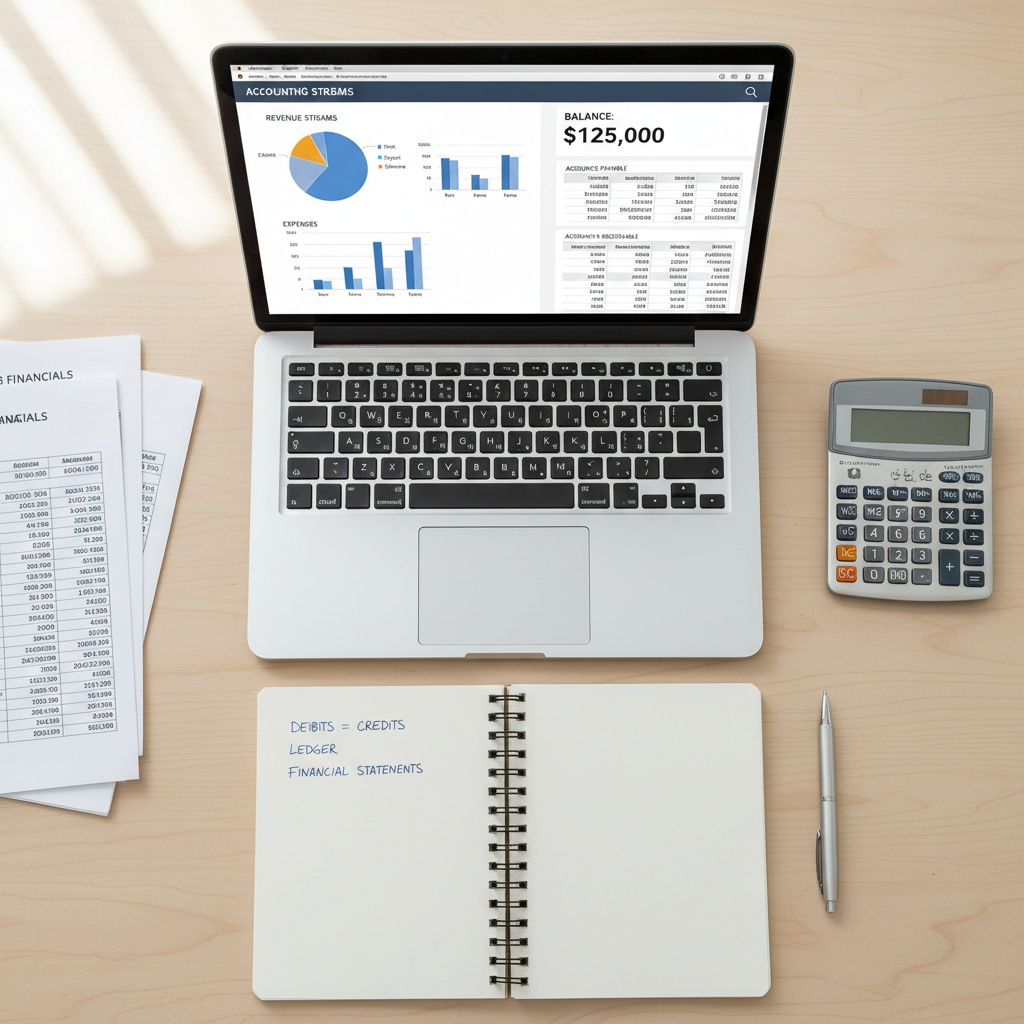
Consider using accounting software to streamline the process. Tools like QuickBooks or Xero can automate many of the tasks involved in record-keeping, ensuring that nothing falls through the cracks.
Leveraging Deductions and Credits
Maximize your tax savings by leveraging available deductions and credits. Small businesses in Suffolk County can benefit from deductions related to office expenses, travel, and even certain utilities. Understanding these can significantly reduce your taxable income.
Consult with a tax professional to identify all eligible deductions and credits. Professional advice can ensure you're taking full advantage of the opportunities available to you.

Preparing for Tax Deadlines
Missing tax deadlines can result in penalties and interest charges. Mark your calendar with all relevant tax dates, including quarterly estimated tax payments if applicable. Staying on top of deadlines helps maintain your business’s financial standing.
Consider setting reminders or using a calendar app to keep track of these important dates. Consistent preparation throughout the year will make the process less stressful.

Choosing the Right Tax Professional
Choosing the right tax professional is a strategic decision for your business. Look for someone with experience in dealing with small businesses and familiarity with Suffolk County's tax regulations. A knowledgeable professional can provide insights and strategies that align with your business goals.
Don’t hesitate to ask for references or check online reviews. A good tax advisor can be a valuable ally in navigating the complexities of tax preparation.
Utilizing Tax Software
If you prefer handling taxes in-house, consider investing in tax software. Programs like TurboTax or H&R Block offer tailored solutions for small businesses, providing step-by-step guidance through the filing process.
These tools often include features that help identify deductions and ensure compliance with tax laws, making them an efficient option for many business owners.
Planning for Next Year
Once you've filed your taxes, start planning for the next year. Evaluate your current tax strategy and identify areas for improvement. Implement any changes needed to optimize your tax position moving forward.
Regularly review your financial statements and adjust your strategy as necessary. Proactive planning can lead to significant savings and a smoother tax preparation process in the future.